November 12, 2026
Subfloor preparation determines whether a modern decorative surface flourishes or deteriorates prematurely across busy living areas. While property owners often concentrate on surface colors, patterns, and board widths, true structural stability starts underneath the visible walk layer. When contractors apply specialized underlayments, they eliminate hollow cavities, uneven slopes, and rough concrete imperfections that ruin sensitive materials. Utilizing self leveling floors ensures delicate locking mechanisms, ceramic bodies, and thin vinyl planks rest flat without bending under pressure. Investing in complete subfloor planar correction safeguards your financial commitment, prevents telegraphing defects, and elevates the performance of diverse architectural finishes throughout your entire residence.
1. Installing Luxury Vinyl Planks With Perfect Flatness
Modern click-lock luxury vinyl represents an exceptionally versatile residential option, yet its slender synthetic construction requires an uncompromisingly flat foundation. Minute dips or high ridges beneath floating vinyl planks bend core layers, stressing click seams until joints snap under ordinary foot traffic. When installers apply self leveling floors over wavy screeds, the liquid compound fills low pockets automatically, preventing unsightly surface bounce and hollow echoes. This meticulous base preparation stops vinyl edges from separating, protects integrated waterproofing systems, and prevents plank lifting around room boundaries. A flat, solid subfloor guarantees that floating vinyl delivers quiet comfort and resilient performance.
2. Laying Large-Format Porcelain Tiles for Flawless Alignment
Oversized porcelain slabs create dramatic aesthetic appeal in kitchens and open foyers, but substantial tile dimensions magnify underlying foundation defects. Minor undulations across the subfloor produce noticeable lippage, where one tile edge rises above its adjacent partner to create an irritating tripping hazard. Rigid porcelain cannot flex across high spots, leading to hollow voids in thin-set mortar where concentrated heel strikes easily crack expensive surfaces. Pouring polymer-modified underlayment smooths irregular dips, establishing continuous structural contact across wide tiles. This balanced substrate simplifies grout application, resists heavy compression, and protects brittle porcelain bodies from premature fracturing over years of traffic.
3. Applying Seamless Epoxy Coatings Through Smooth Bases
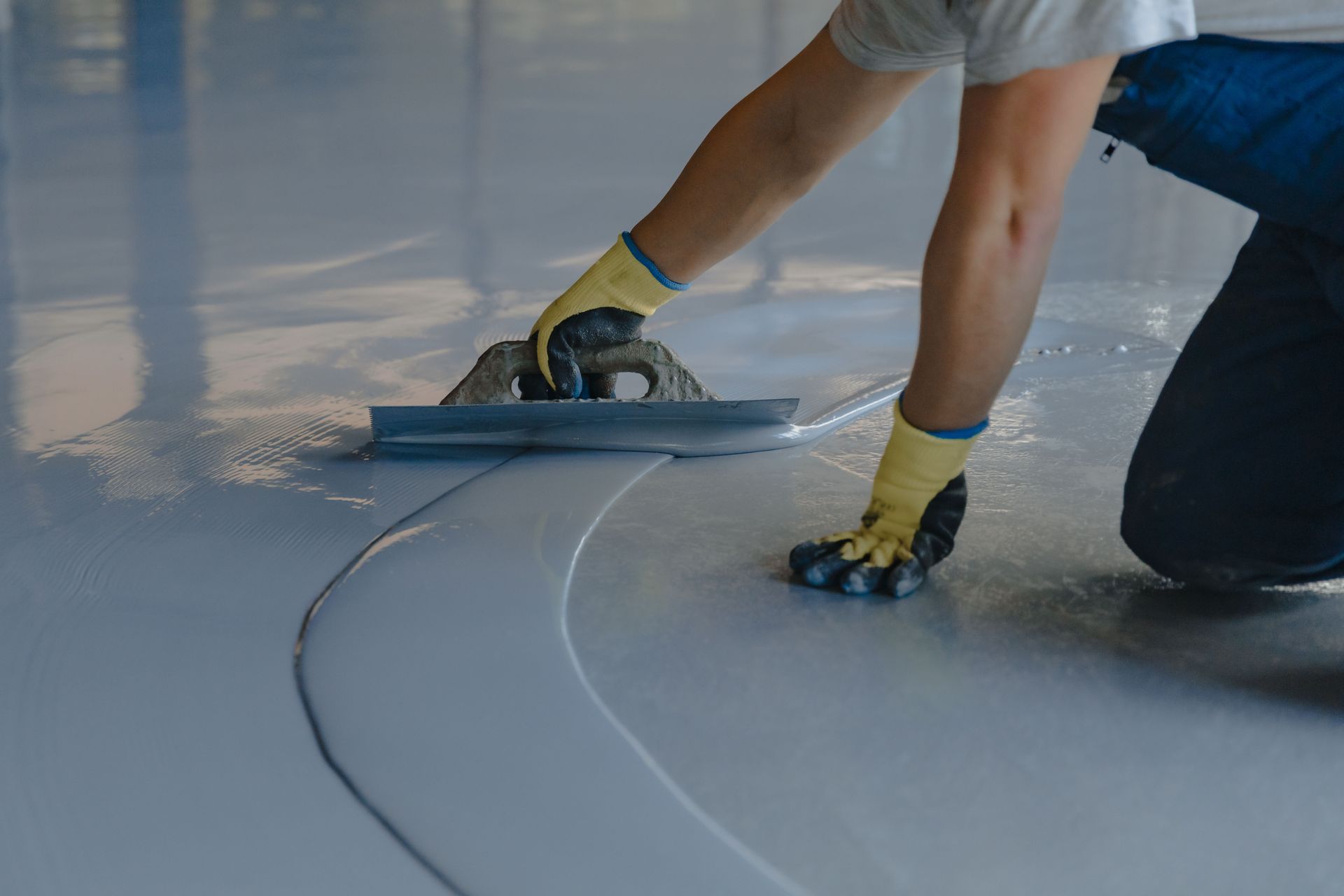
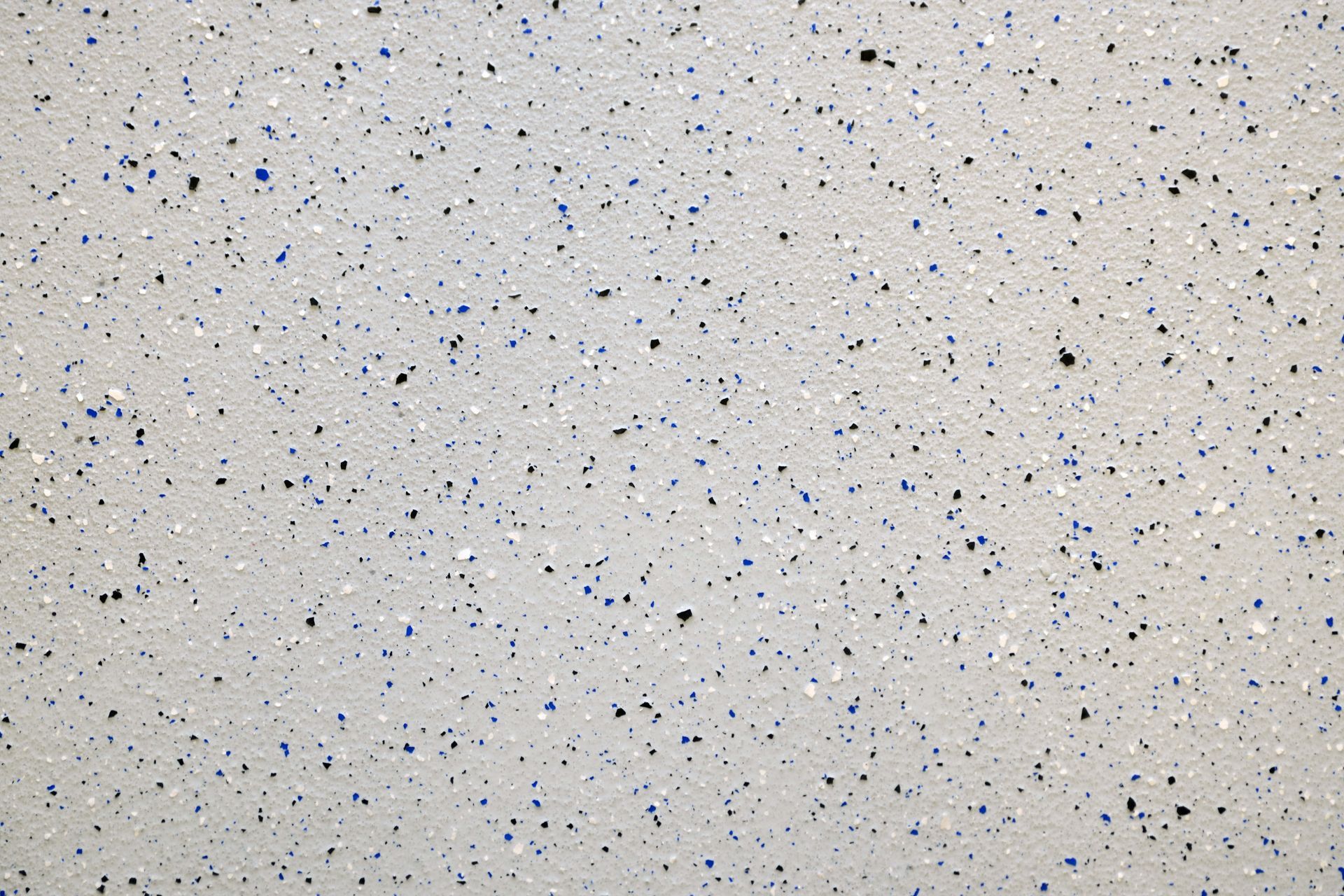
Fluid resin coatings showcase high-gloss beauty in residential garages, modern lofts, and commercial showrooms, yet their thin profile reveals every concrete flaw. Underlying foundation ripples, small pits, or structural humps telegraph directly through cured resin, distorting ambient light reflections and ruining clean aesthetics. Pouring self leveling floors prior to rolling liquid resin creates a glass-like underlayment that holds color pigments and metallic flakes consistently. This non-porous planar base prevents chemical pinholes, enhances epoxy adhesion, and stops pooled resin from running unevenly toward unseen depressions, securing a mirror-like sheen across expansive, seamless floors.
4. Fitting Engineered Hardwood Planks With Direct Adhesion
Multi-layer timber planks handle atmospheric humidity swings far better than solid lumber, but their physical stability requires a uniformly flat subfloor. When glue-down engineered boards traverse irregular subfloors, adhesive fails to bridge widespread depressions, causing hollow drum sounds under shoes. Furthermore, floating engineered systems experience excess deflection over subfloor dips, which overstrains precision tongue-and-groove joints and causes annoying floor squeaks. Establishing self leveling floors across bumpy screeds provides a firm, planar setting where timber adhesives bond uniformly, eliminating irritating hollow sounds, preserving interlocking millwork, and keeping wide timber planks flat for generations.
5. Affixing Natural Stone Pavers for Lasting Integrity
Quarried marble, slate, and travertine deliver peerless organic elegance, yet these dense geologic slabs possess practically zero inherent tensile flexibility. When masons lay heavy stone atop wavy substrates, uneven compression forces induce shear stresses across the brittle crystalline matrix, provoking jagged fractures. Correcting uneven variations with a dedicated leveler provides an unyielding resting plane, spreading localized physical loads evenly across entire stone pavers. Eliminating underlying low spots prevents mortar bed collapse, stops adjacent corners from rocking, preserves grout joints, and ensures heavy natural stone withstands substantial furniture weights without developing spiderweb cracks or surface hollows.
6. Spreading Modern Sheet Linoleum Over Flawless Subfloors
Eco-friendly linoleum made from oxidized linseed oil, cork dust, and wood flour provides durable flooring for health-conscious spaces. However, this flexible organic sheeting molds tightly to subfloor contours, visibly transferring tiny concrete ridges, trowel marks, and rough sand grains through to the surface. Achieving an immaculate, planar subfloor remains mandatory before unrolling linoleum to avoid premature abrasion along high points. Spreading a cementitious self leveling mixture eradicates small voids and uneven seams, preventing concentrated friction zones. A flat foundation allows the resilient sheet to bond securely, keeping maintenance simple and preventing dirt traps across busy rooms.
7. Setting Glossy Ceramic Tiles in Intricate Patterns
Elaborate mosaic tessellations, bold subway patterns, and decorative ceramic arrangements require level subfloors to maintain crisp grout lines. Uneven subfloor surfaces cause tile edges to skew at varying angles, distorting intricate geometric designs and leaving unsightly gaps between adjacent rows. In addition, hollow areas beneath thin ceramic tiles expose their brittle fired clay bodies to localized impact damage from dropped kitchenware. By balancing subfloor levels before applying thin-set adhesive, builders provide complete support for every ceramic tile. This uniform support preserves delicate patterns, prevents cracked glazes, and keeps grout lines intact across challenging high-traffic rooms.
8. Maximizing Property Resale Value
Correct subfloor preparation does not merely protect beautiful finishes; it yields substantial returns by elevating overall home craftsmanship. According to HomeLight, their survey data indicates flooring updates can increase your home value by $11,731 on average. Prospective buyers instantly notice bouncy floorboards, cracked grout, uneven transitions, and squeaky planks when walking through an open house. By using self leveling floors to level out subfloors before laying high-end materials, property owners create solid, silent footpaths that impress rigorous home inspectors. High-quality foundational preparation converts routine remodeling expenses into enduring home equity and superior market appeal.
9. Positioning Sleek Sheet Vinyl for Smooth Surfaces
Cushioned sheet vinyl presents a budget-friendly moisture barrier for laundry areas, half baths, and basement recreational suites. Yet, because sheet vinyl is thin and flexible, it telegraphs every minor depression, subfloor nail head, or concrete scar directly onto the visible wear layer. These mirrored irregularities not only detract from modern patterns but also concentrate foot friction over raised spots, wearing through decorative films rapidly. Leveling irregular substrates with fluid compounds creates an unblemished, silky surface that prevents premature localized thinning. Smooth subfloors ensure sheet vinyl stays flat, watertight, and visually appealing without developing unsightly bubbles or abrasions.
10. Securing Interlocking Laminate Planks Over Uneven Framing
Laminate planks deliver realistic wood grain appearances at affordable prices, but their fiberboard cores demand exceptional subfloor flatness. When floating laminate spans uneven dips, walking across boards produces vertical deflection, which repeatedly stresses tight click mechanisms until locking tongues snap apart. This physical separation allows liquid spills to penetrate deep within moisture-sensitive core boards, triggering swelling, warping, and irreversible board edge peaking. Leveling uneven joists and sunken slabs with cementitious underlayments stabilizes floating laminate runs. Solid planar subfloors prevent irritating hollow popping noises, keep joints closed against water intrusion, and maintain clean floor designs for years.
11. Enhancing Radiant Heating Elements With Uniform Layers
Installing hydronic tubes or electric heating mats beneath living spaces requires smooth subfloor leveling to distribute warmth evenly. Uneven subfloor surfaces lead to varying mortar thicknesses over heating cables, generating frustrating cold zones alongside hot spots that strain overlying decorative planks. Encapsulating delicate heating wires with specialized self leveling floors creates a uniform thermal mass that transfers radiant energy evenly throughout the living area. This protective encapsulation shields thin cables from mechanical damage during floor covering installation, improves overall thermal performance, and provides a stable, planar base for laying fine hardwood, tile, or luxury vinyl finishes.
Mastering subfloor leveling remains an indispensable step when installing high-performance residential flooring materials over concrete slabs or plywood framing. Ignoring uneven depressions, cracked slabs, or pronounced subfloor crowns invariably causes floor deflection, fractured grout lines, and separated click joints. By prioritizing self leveling floors during initial renovation stages, homeowners safeguard their flooring upgrades against structural movement, moisture damage, and premature surface wear. Flat underlayments provide the uniform support required for luxury vinyl, large porcelain slabs, exotic hardwood, and seamless resins to perform reliably. Investing in quality subfloor preparation delivers silent, enduring beauty that enhances property values for years to come.
Are you seeking professional assistance with self leveling floors in Northeastern Florida? The experts at Level Tech Systems of Florida are the go-to team for solid flooring solutions! Contact us today to schedule a service appointment.