July 9, 2026
Concrete waterproofing has become an essential component in modern construction, addressing both the longevity and sustainability of buildings. Ensuring structures remain impervious to water damage can significantly enhance their lifespan and safety. As construction techniques evolve, the emphasis on protective measures like this has grown. Investing in concrete waterproofing not only safeguards infrastructure but also reduces future maintenance costs. Exploring the various methods, materials, and benefits of this essential practice will guide property owners and developers toward making informed decisions for sustainable construction.
Understanding the Basics of Moisture Protection
This process refers to making foundations water-resistant to protect them from water infiltration and damage. It involves using various materials and techniques to prevent water from penetrating the surface. By ensuring an appropriate process, structures are maintained and protected from potential water damage. Such protection is critical as untreated materials can be susceptible to seepage, leading to structural weaknesses. Implementing these barriers is integral to extending the life and preserving the integrity of buildings.
Creating a Strong Barrier Against Water
The underlying principle behind concrete waterproofing is to create a barrier against water. This barrier prevents the ingress of water, which can lead to damage such as cracks, erosion, and mold growth. Various methods and products are available to ensure that structures remain dry and free from water-related issues. Employing the right approach is key to maintaining the efficacy of these protections. Understanding these techniques is vital for anyone involved in construction and property management.
Recognizing the Significance of Modern Innovations
The significance of effective water resistance cannot be overstated when it comes to construction. It is not just about choosing the right material but also understanding how these materials work in different conditions. According to Grand View Research, Sakrete provides a cement-based self-leveling underlayment that is formulated to prep interior sub-floors requiring a thickness of three to 25 millimeters. Such innovations highlight the importance of keeping up to date with industry advancements. The correct application can mean the difference between a resilient structure and one vulnerable to environmental stresses.
Exploring Various Application Methods That Work
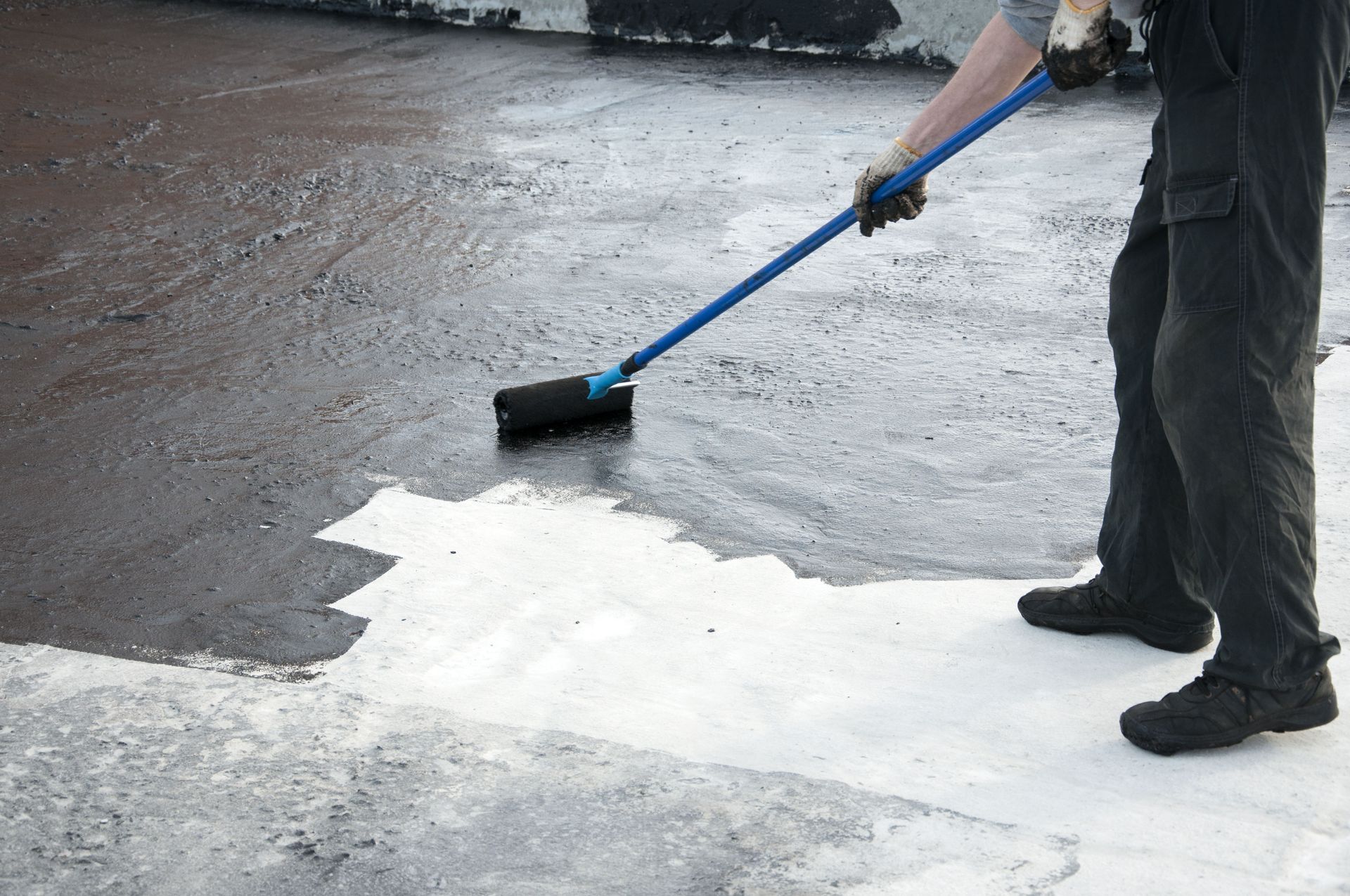
There are several methods available for concrete waterproofing, each with its unique advantages. Surface-applied methods involve applying waterproof coatings or sealers to the exterior. These are relatively easier to apply and provide a protective barrier against water. Integral options involve mixing specific chemicals into the mix itself, offering protection throughout the entire structure. Membrane-based methods use thin layers of material placed between the foundation and potential water sources, providing robust defense against moisture.
Evaluating Project Needs for Better Defense
Selecting the right method often depends on the specific needs of the project. Factors such as the location of the building, the expected environmental conditions, and the specific vulnerabilities of the structure are taken into consideration. Each method has specific benefits – surface coatings are great for high-traffic areas, while integral solutions provide deeper protection. Understanding these distinctions can help builders and property owners in making informed decisions. It is crucial to evaluate each option to ensure long-lasting and effective protection.
Consulting With Experienced Industry Professionals Today
Engaging with experienced professionals can help in selecting the ideal solution. Experts can offer valuable insights into the latest materials and technologies, recommending systems that offer optimal protection. Preferences might vary between using innovative materials and opting for traditional methods based on past performance. Engaging with industry professionals is a proactive approach that may also identify cost-effective solutions that align with a project budget. Engaging expertise guarantees thoroughness in implementing effective moisture control in concrete.
Prioritizing Practicality in Material Selection Now
Beyond expert consultation, property owners and developers must consider the practicality and applicability of the chosen system. Factors like ease of application, maintenance requirements, and compatibility with existing structures play an essential role. The objective is to avoid overly complicated solutions that might introduce additional maintenance challenges later. With advancements in materials like self-leveling floor prep, users can find materials that are efficient and require minimal labor. Prioritizing practicality helps ensure that the system remains functional throughout its lifecycle.
Balancing Initial Costs With Future Savings
The initial cost of implementing a concrete waterproofing system can be perceived as high, but the long-term benefits often justify the investment. Protecting your foundation can significantly reduce the potential for costly repairs by preventing water-related damage. In essence, the expense is an investment in the building's longevity, potentially saving thousands in future repair costs. Furthermore, protected structures maintain their value better, offering financial advantages upon resale. Despite the upfront costs, the eventual savings validate the need for an initial investment in these solutions.
Minimizing Repair and Maintenance Expenses Over Time
Aside from minimizing repair expenses, effective protection can reduce maintenance costs over time. Buildings with robust systems require less frequent maintenance, as water damage and related issues are minimized. Lower maintenance frequency translates to reduced costs in labor, materials, and time spent on upkeep. Property owners experience less disruption and retain higher property values due to consistent and reliable protection. The strategic implementation of these solutions ultimately fosters long-term financial savings.
Dispelling Common Myths About Water Resistance
There are several myths and misconceptions surrounding concrete waterproofing that often deter property owners from proper investment. One common myth is that water resistance is unnecessary in drier climates. However, unexpected weather changes could lead to significant damage where protection is absent. Additionally, even minimal exposure to moisture can have compounded effects over time. It is crucial to evaluate all environmental factors, rather than relying solely on climate expectations to determine the necessity of a solid barrier.
Educating Property Owners on Real Returns
Another misconception is that protection equates to increased construction costs without tangible returns. In reality, effective systems provide numerous financial benefits over time through reduced repair and maintenance costs. While initial investments may seem substantial, the lasting benefits in property value and durability far surpass these costs. It is also worth noting that technological advancements in materials have made solutions more economically viable. Dispelling these myths can guide property owners to make informed choices that align with both financial and structural goals.
Preventing Water Penetration to Ensure Safety
One of the primary objectives is to prevent water penetration, which poses numerous threats to structural integrity. Water infiltration can lead to internal damage, such as rusting of reinforcing steel and eventual collapse. Effective barriers, such as membranes and sealers, keep water out and prevent these occurrences. Protecting against water damage is crucial in maintaining the safety and longevity of any structure. Failure to invest in robust protection may result in costly renovations and safety hazards.
Applying Advanced Systems for Greater Efficiency
Modern waterproofing technologies, such as self-leveling and laser leveling, significantly streamline the installation process while minimizing the risk of human error. By investing in these state-of-the-art systems, property owners can ensure highly efficient and accurate applications that deliver reliable, long-term protection and complete peace of mind against water damage.
Reducing the Risk of Structural Cracks
Effective defense mechanisms are crucial in reducing the risk of cracks and erosion in structures, both of which are detrimental to structural integrity. Water infiltration leads to erosion by weakening internal components, compromising the overall stability of a building. Cracks often develop when water enters and expands during freezing, putting additional stress on the surface. Investing in a comprehensive concrete waterproofing system minimizes these risks by creating an impermeable barrier against water intrusion. This proactive approach helps preserve structural soundness and safety.
Mitigating the Effects of Environmental Factors
Environmental factors, such as climate and weather-related phenomena, pose significant risks to structures without proper protection. Rain, snow, humidity, and fluctuating temperatures contribute to wear and tear if structures are left unprotected. Foundations having ample exposure to these elements become vulnerable to stress, expansion, and contraction, which manifest in cracks and deterioration. Effective concrete waterproofing systems mitigate these effects by sealing out moisture and regulating temperature changes. Achieving this stability prevents premature aging and guarantees continued structural performance.
Prioritizing concrete waterproofing protects your investments from lasting water damage while boosting overall property value. Whether dealing with self-leveling floors and moisture mitigation or polishable overlay flooring, we provide comprehensive options designed for longevity in Northeast, FL. Reach out to Level Tech Systems to secure your next project today.